


Browse Books

From Broadway to The Bronx
The depiction of New York City in song across a variety of different genres focusing on jazz genres as well as the work of both New York born artists like Billy Joel or Lin-Manuel Miranda and artists living most of their life in New York City like Shinehead or Debbie Harry that are intimately connected with the city.
The book analyzes songs written about New York City and engage with the depiction of the city within them but mainly use it as a way to deal with several musical genres that the city has been home to and instrumental in developing. These include the musical theatre scene on Broadway and beyond but also early 20th century sheet music hip hop disco punk dancehall jazz swing rock or pop music. The collection includes essays from authors with a cultural studies media studies cultural history or musicology background making possible a far-ranging treatment of the interconnection of the city space and its musical history.

Following the Score
Based on a recent touring project The Ravel Trilogy this title comprises playtexts and essays that contextualise the themes and approaches of the devised work: Bolero (2014) Concerto (2016) and Solo (2018). The book takes an interdisciplinary critical enquiry into the working dramaturgy of performance ‘scores’ inspired by the music.
The book frames the playtexts of the trilogy alongside a series of reflective essays and provocations on contemporary dramaturgy and musicology from academics and artists in drama music linguistics and fine art. It contextualises themes and approaches of the trilogy and serves as a critical companion to a body of devised work. It stimulates a debate about dramaturgy and composition and invites discussion about postdramatic theatre's relationship to music.
This publication marks the culmination of the trilogy and its critical legacy and explores the work through the dual lenses of postdramatic theatre and research questions articulated and addressed by the practice-research undertaken by its co-creators. The dramaturgical context for The Ravel Trilogy and the reflective essays around it allow the editors to explore the relationship between theatre and music.
It raises questions about practice-research and notions of creating playtexts from musical scores. Pinchbeck and Smith reflect on making and performing The Ravel Trilogy and the process of researching devising and presenting work inspired by music where score becomes script and dynamics become stage directions.

Fashion Projects
Fashion Projects: 15 Years of Fashion in Dialogue anthologizes the New York–based journal Fashion Projects. The book is an index of a particular time within the fashion studies landscape and the attendant fields of fashion writing fashion curation and critical fashion practice during which the field witnessed a meteoric rise.
The long-running non-profit journal Fashion Projects was described by The Paris Review as “a journal devoted to critical discourse in fashion” Fashion Projects was founded in New York in 2005 as a zine. It gradually morphed into a larger journal straddling the academic and general interest worlds with international distribution and an ardent readership. It served as a platform to highlight the importance of fashion within current critical discourses through longform interviews with a range of curators critics artists and designers. This book collects together the best articles from the journal most issues of which are now unavailable.
From exploring the rise of digital fashion media with Penny Martin (the founding editor-in-chief of SHOWstudio) to the continued importance of connoisseurship with Harold Koda (former Curator in Chief of the Met’s Costume Institute) the anthology records the increasing centrality of fashion to contemporary critical discourse.
Fashion Knowledge
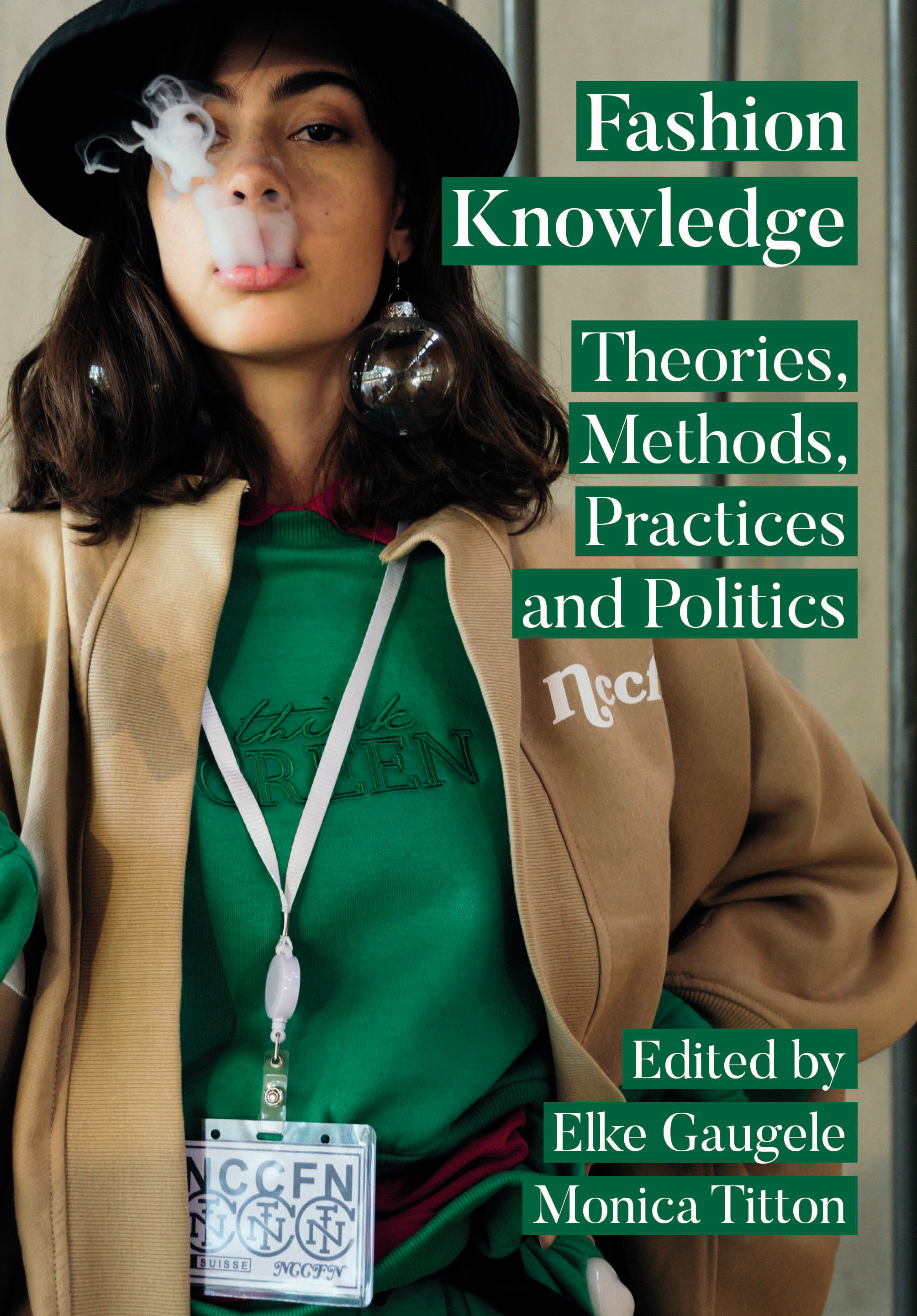
This new edited collection assembles academic essays and intellectual activism equally next to visual essays and artistic interventions and proposes a different concept for fashion research that eschews the traditional logic of academic fashion studies. It features acclaimed designers artists curators and theorists whose work investigates the multi-faceted debates on the rise of practice-based research in fashion.
The book sets out to explore current issues in fashion research with a particular focus on both methodology and expansion of the field to encompass overlooked voices and narratives. It has a particular concern with the relationships between theory and practice and with how knowledge is created and disseminated in fashion studies. It is an excellent and really valuable contribution to the field at a point both when fashion studies is expanding and when the fashion industry is at a crucial point of change.
Some of the contributions were originally presented at a symposium hosted by the Austrian Center for Fashion Research ‘TALKSHOW: The politics of practice-based fashion research’ at Vienna’s Museum of Applied Arts curated by Wally Salner. The symposium brought together a group of fashion scholars designers educators and practitioners to explore critical contemporary fashion (research) practices and to investigate critical fashion knowledge between theory and practice beyond assumed disciplinary and epistemological boundaries. Many contributions in this volume were initially presented at that symposium while others are testimonies of international debates that were part of the research activities of the Austrian Center for Fashion Research a research project funded by the Austrian Federal Ministry of Science Research and Economy led by Elke Gaugele.
The book is structured into three sections: Fashion Knowledge Practice-Based Fashion Research and Sites of Fashion and Politics. Contributions look at new forms of fashion knowledge that are forming with and along shifting fashion practices practice-based fashion research and sheds light on different sites and entanglements of fashion and politics in distinctive contemporary and historical moments of de/colonization anti/racism and anti/globalization.
Elke Gaugele is cultural anthropologist and professor of fashion styles and contextual design at the Academy of Fine Arts in Vienna Austria. Monica Titton is a sociologist fashion theorist and senior scientist at the fashion design department of the University of Applied Arts Vienna Austria. Other contributions are from Elke Bippus Astrid Engl Jojo Gronostay Ruby Hoette Bianca Koczan Priska Morger NCCFN Wally Salner Andreas Spiegl José Teunissen Lara Torres Carol Tulloch and Maria Ziegelböck
Readers will be academics practitioners designers artists curators museums theoretical scholars lecturers practice-based researchers students and practitioners at all levels in the fields of fashion textile art and design.
This new book with its original focus on practice-based research will be useful for a general and academic readership alike and to all those working within the field of fashion studies including those with a theoretical focus fashion practitioners and those working within innovative pockets of the fashion industry.
Fighting for the Soul of General Practice
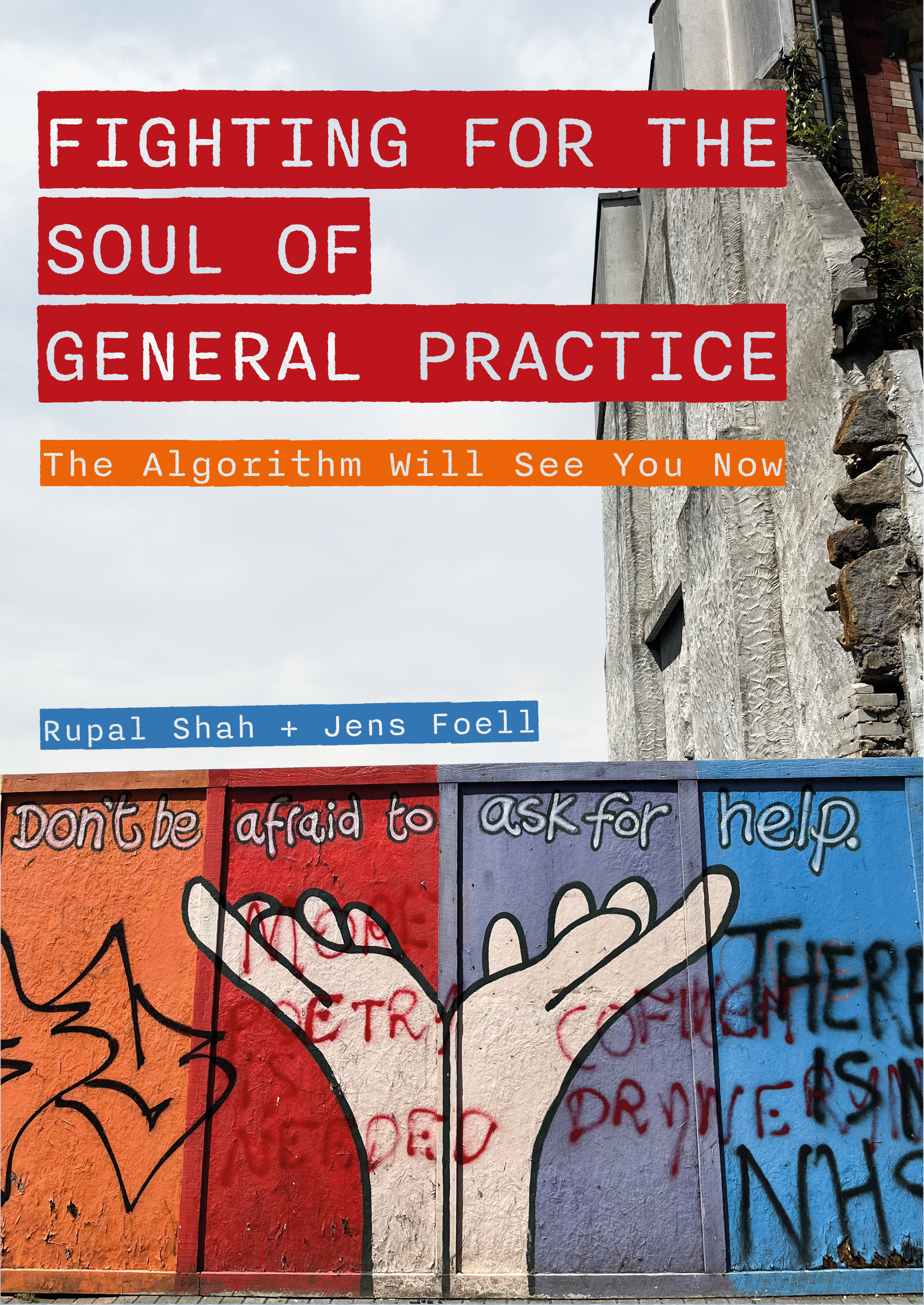
This collection of stories from two practising GPs describes the reality of working within a failing and highly bureaucratic system where there is a balancing act: regulation versus relationships; autonomy versus standard practice; algorithm versus individual attention.
We aren’t suggesting a return to a ‘better’ time. We don’t object to being bureaucrats embedded within and accountable to the systems we are in. But we do want to consider how and with what the gap left by the old-fashioned GP has been filled. We use stories based on our experience to describe the effect of different facets of bureaucracy on our ability to maintain a nuanced individualised approach to each patient and encounter; and to question the prominence and effect of protocol. We are interested in the way professional relationships are influenced by protocol: between and within organisations; and most importantly with patients/clients/service users..
We are accustomed nowadays to automated telephone lines chatbots website FAQs- the frustration of being unable to connect with another human being who will listen to our particular question and give us something other than a generic answer. The same issues that are facing society at large have changed the way in which we work as GPs and the care we give.

Fashion Education
Fashion Education explores how the classroom can transform the fashion industry towards body inclusion and social justice.
The book is a collection of 17 essays by fashion educators from Australia Canada the US and the UK who recount their experiences struggles and strategies of reimagining the exclusive foundation of fashion pedagogy and redesigning fashion curricula to centre Indigenous Black brown fat disabled trans and queer worldviews histories and bodies.
This is the first book to explore the relationships between fashion pedagogy and social justice and to map out new pedagogical frameworks and tools to redistribute power through fashion education. It shares the teaching practices of fashion educators implementing radical pedagogies and offers practical case studies that engage with a number of intersectional positions.
Fashion Education engages with current pressing concerns for educators and is a valuable teaching resource for fashion educators – both theory and practice – working in art and design schools in Europe the US and the UK.
With chapters covering fashion theory history business communication and design curricula to centre Indigenous Black brown fat disabled trans queer worldviews histories and peoples it will appeal directly to the many disciplines within fashion. The discussions are also relevant to educators in other art design and creative fields also looking to centre inclusion in their courses and the strategies presented will apply to them.
Contributions from Tanveer Ahmed Kevin Almond Avalon Acaso Ben Barry Mal Burkinshaw Johnathan Clancy Robin J. Chantree Deborah A. Christel Brittany Dickinson Greg Climer Bianca Garcia Denise Nicole Green Alicia Johnson Lucy Jones Grace Jun Carmen Keist Riley Kucheran Michael Mamp Krys Osei Lauren Downing Peters Alexis Quinney Kelly L. Reddy-Best Austin Reeves Joshua Simon Colleen Schindler-Lynch Brandon Spencer and Sang Thai

Fan Phenomena: Disney
Fan Phenomena: Disney collects essays on Disney fans spanning a variety of media (such as film television novels stage productions and theme parks) and different fannish approaches (cosplay fan art) as well as the company's reactions to them.
It is a timely intervention that deals with crucial issues such as race and racism within the Disney fandom and in Disney texts the role of queerness the impact of the Covid-19 pandemic and the advent of the streaming service Disney+.
The authors come from variety of disciplines such as cultural and media studies marketing and communications cultural history or theatre and performance studies and include both leading experts in fan and Disney studies as well as emerging voices in these fields plus interviews with fan practitioners.
It will be popular with scholars of cultural studies cultural history media studies fan studies; Disney fans and students at any level

The Future of Humanity (Second Edition)
Additional Prefaces from Hazel Henderson Randeep Sudan and new additional original material has been added in each chapter.
New material has a particular focus on the impact of Covid-19 and its influence which has gone beyond the fields of health and hygiene deeply impacting the economic social and even geopolitical affairs worldwide subverting many aspects of the traditional market economy and disrupting social norms. This unexpected disaster is forcing human beings to rethink the axioms of what has long called “civilization.” find ways to coexist with other creatures who share the earth and change many of our long-established behaviour patterns including lifestyle working practices and diet.
The world ushered in explosive technology development giving human beings unlimited opportunities and reverie. At the same time mankind faces a deeper crisis - beyond the climate change ecological environment the gap between rich and poor regional conflicts and terrorist threats that people already recognize. That is the human evolution crisis science and technology crisis and human civilization crisis brought by the development and application of technology which makes us stand at the crossroads in the history of human civilization. This book calls on human beings to prepare for the future - to actively promote the transformation of Industrial Civilization to promote the progress of human civilization to meet Global Civilization and even Great Civilization.
Zhouying Jin contends that if human beings who share an earth cannot correctly grasp the direction of human evolution; if they cannot alter their destructive relationship with nature and abandon “people-centred” and ‘’self-centred” thinking everywhere; if they cannot alleviate the threat of war and terrorism “as soon as possible” through the sublimation and perfection of human nature and create a more advanced civilization; if they cannot deal with the planet’s common crises - climate change species extinction land and food shortages water pollution etc.; in short if they cannot correctly learn the lessons of the current global catastrophe caused by the COVID-19; if they cannot promote the real awakening of all mankind; and cooperate to establish a new world order and accelerate the pace of civilizational transformation then indeed the human race is doomed to move toward self-destruction long before the dangers posed by gene-enhanced Super-beings or robots endowed with artificial intelligence robots ever emerge.
Primary audience will be at university level across a broad range of subjects and disciplines wherever students are studying topics connected to the future of mankind and the world.
Fedor Bondarchuk: 'Stalingrad'
KinoSputniks closely analyse some key films from the history of Russian and Soviet cinema. Written by international experts in the field they are intended for film enthusiasts and students combining scholarship with an accessible style of writing.
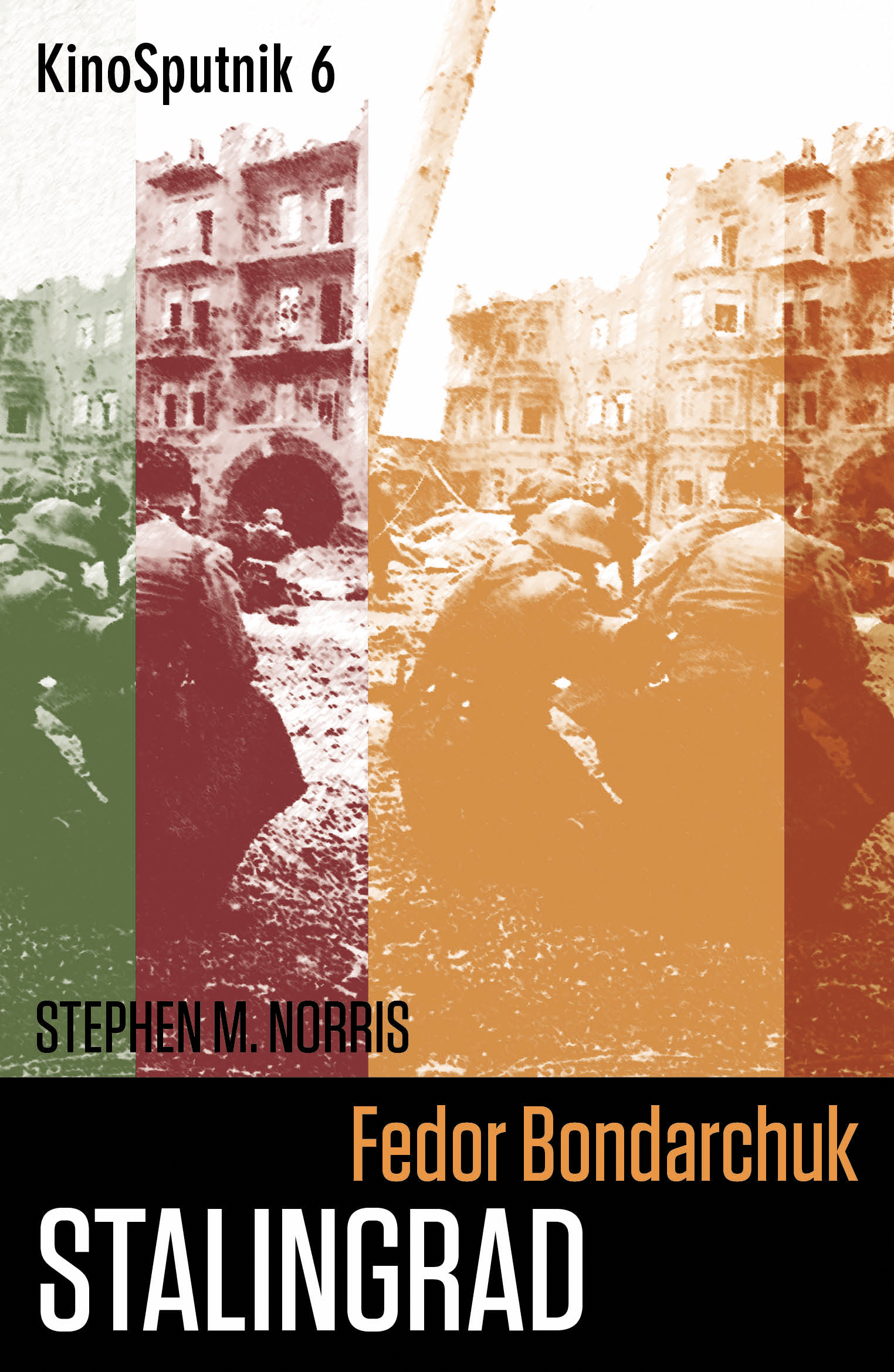
This KinoSputnik about Fedor Bondarchuk's megahit Stalingrad (2013) examines the production context and reception of the film whilst offering a detailed reading of its key themes.
Fedor Bondarchuk’s 2013 blockbuster film Stalingrad shattered box-office records and dazzled viewers with its use of special effects enhanced by its 3D IMAX format. The film transported viewers back to 1942 and the bloody battle that would turn the tide of the Second World War.
This new study situates the film within the context of ongoing debates about the meanings of the Second World War in Russia and previous films about the Battle of Stalingrad.
Primary readership will be among film studies students and film enthusiasts but will also be of interest to anyone researching or studying the Battle of Stalingrad and the course of the Second World War.
A list of all books in the series is here on the Intellect website on the series page KinoSputnik

Fashion Knowledge
This new edited collection assembles academic essays and intellectual activism equally next to visual essays and artistic interventions and proposes a different concept for fashion research that eschews the traditional logic of academic fashion studies. It features acclaimed designers artists curators and theorists whose work investigates the multi-faceted debates on the rise of practice-based research in fashion.
The book sets out to explore current issues in fashion research with a particular focus on both methodology and expansion of the field to encompass overlooked voices and narratives. It has a particular concern with the relationships between theory and practice and with how knowledge is created and disseminated in fashion studies. It is an excellent and really valuable contribution to the field at a point both when fashion studies is expanding and when the fashion industry is at a crucial point of change.
Some of the contributions were originally presented at a symposium hosted by the Austrian Center for Fashion Research ‘TALKSHOW: The politics of practice-based fashion research’ at Vienna’s Museum of Applied Arts curated by Wally Salner. The symposium brought together a group of fashion scholars designers educators and practitioners to explore critical contemporary fashion (research) practices and to investigate critical fashion knowledge between theory and practice beyond assumed disciplinary and epistemological boundaries. Many contributions in this volume were initially presented at that symposium while others are testimonies of international debates that were part of the research activities of the Austrian Center for Fashion Research a research project funded by the Austrian Federal Ministry of Science Research and Economy led by Elke Gaugele.
The book is structured into three sections: Fashion Knowledge Practice-Based Fashion Research and Sites of Fashion and Politics. Contributions look at new forms of fashion knowledge that are forming with and along shifting fashion practices practice-based fashion research and sheds light on different sites and entanglements of fashion and politics in distinctive contemporary and historical moments of de/colonization anti/racism and anti/globalization.
Elke Gaugele is cultural anthropologist and professor of fashion styles and contextual design at the Academy of Fine Arts in Vienna Austria. Monica Titton is a sociologist fashion theorist and senior scientist at the fashion design department of the University of Applied Arts Vienna Austria. Other contributions are from Elke Bippus Astrid Engl Jojo Gronostay Ruby Hoette Bianca Koczan Priska Morger NCCFN Wally Salner Andreas Spiegl José Teunissen Lara Torres Carol Tulloch and Maria Ziegelböck
Readers will be academics practitioners designers artists curators museums theoretical scholars lecturers practice-based researchers students and practitioners at all levels in the fields of fashion textile art and design.
This new book with its original focus on practice-based research will be useful for a general and academic readership alike and to all those working within the field of fashion studies including those with a theoretical focus fashion practitioners and those working within innovative pockets of the fashion industry.
Fashion, Women and Power
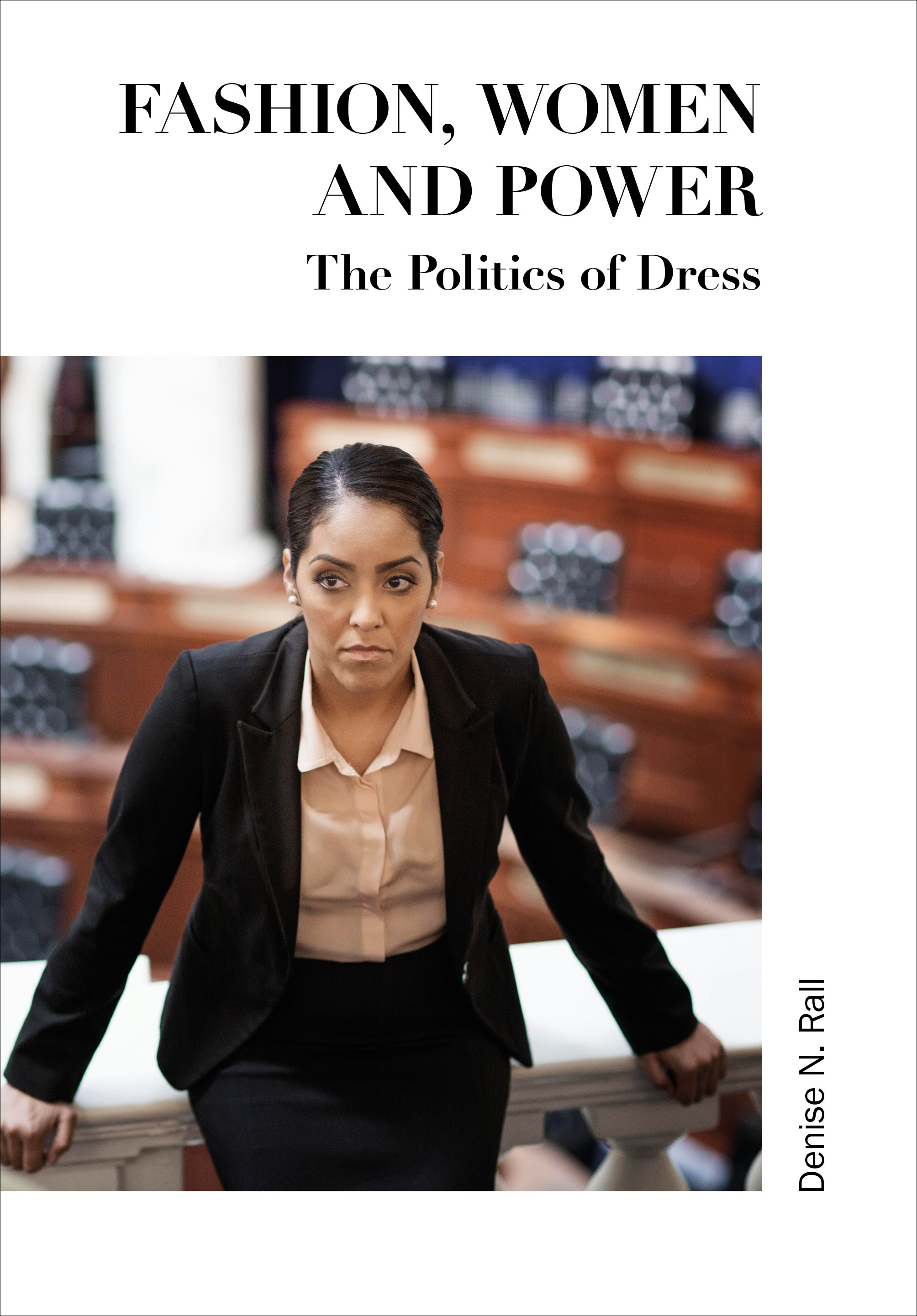
This book addresses the relationships between fashion women and power. One of the constants within the book is to question the enduring relationship between women and dress and how these inform and articulate the ways in which women remain represented as either suitable or not for public office and their behaviour is informed through dress when they are in power. The book critiques the interplays between politics power class race and expectation in relation to the everyday practice of getting dress and the more performative and symbolic function of dress as embodiment.
As never before women are in positions of political power and find themselves facing the maelstroms of mass media regarding their fashion their deportment and their right to govern. The contributors offer a wide set of perspectives on women and their roles and their fashions when taking up powerful positions in Australia New Zealand United Kingdom and the United States.
From the United Kingdom the historical issues surrounding the movement towards ‘rational dress’ for women seeking their rights to vote and exercise are interrogated. The volume also explores viewpoints from East Asia such as the constricting role for ‘common’ women upon entering the Imperial family in Japan. From the United States come the troublesome media stories engulfing two significant American Democratic First Ladies Hillary Rodham Clinton and Michelle Obama.
From New Zealand the media reports on Prime Minister Jacinda Ardern upon her motherhood while serving in the office and on her clothing during the 2019 Christchurch massacre comprise a much-needed contribution to the literature on women politics and dress.
Further the role of dress in politics broadly as a form of resistance will be examined in Australia from recent skirmishes over ‘appropriate dress’ with ex-prime minister Julia Gillard and other Australian female politicians. The role of women and what their fashion selections mean continues via considerable debate during worldwide events. Finally the theme of resistance and social media continues with an examination of protest dressing in the recent street battles in Hong Kong to how young Asian women have been influenced by the social media campaigns to encourage wearing the veil in Indonesia to Asian women negotiating femininity in political dress.
Primary readership will be among researchers scholars educators and students in the fields of fashion dress studies women and gender studies and media and history. It will be of particular value as at graduate level and as a supplementary resource. There may be some general appeal to those with an interest in the women or cultures at the centre of the discussions.

Fortunes of War
Eric Lesdema’s photographic series Fortunes of War was awarded the UN Nikon World Prize in 1997. Originally a series of fifteen images this extended edit includes 83 colour photos accompanied by a series of essays by leading academics in the field. The essays explore ideas raised by the prescient nature of the work offering a highly original and engaging debate about its alternative approach to documentary photography which views photography as an alternate space with the potential to project events rather than record them. In exploring an approach that cuts against the traditional concept central to documentary photography since its inception the book thus raises important questions about twenty-first century interpretations and applications of photography and media. With thought-provoking research and a diverse array of essay contributions Fortunes of War proposes new lines of interdisciplinary investigation reflection and inquiry.
Nikon Award info: https://www.artimage.org.uk/artists/l/eric-lesdema/

Fat Activism (Second Edition)
In this new edition of her accessible autoethnography of fat feminist activism in the West Charlotte Cooper revisits and discusses her activism in the context of recent shifts in the movement. The new preface explores the impact of the Coronavirus pandemic on fat people and fat activism and how Black Lives Matter is inspiring new forms of activism. Cooper issues a call to action in Fat Studies and offers alternatives to current public health approaches to Diabetes.
What is fat activism and why is it important? To answer this question Charlotte Cooper presents an expansive grassroots study that traces the forty-year history of international fat activism and grounds its actions in their proper historical and geographical contexts. She details fat activist methods analyses existing literature in the field challenges long-held assumptions that uphold systemic fatphobia and makes clear how crucial feminism queer theory and anti-racism are to the lifeblood of the movement. She also considers fat activism’s proxy concerns including body image body positivity the obesity epidemic and fat stigma.
Combining rigorous scholarship with personal accessible writing Fat Activism: A Radical Social Movement is a rare insider’s view of fat people speaking about their lives and politics on their own terms. This is the book you have been waiting for.

The Friday Mosque in the City
Concerned with the relationship between Friday mosque and city in the Islamic context. Focusing particularly on the Friday mosque the book aims at exploring the concept of liminal(ity) in spatial terms and discuss it in terms of the relationship between the Friday mosque and its surrounding urban context. Transition spaces/zones between the mosque and the urban context are discussed through the case studies from various contexts. In doing so the manuscript reveals different forms of liminality in spatial sense.
Considers widely-studied topics such as the ‘Friday mosque’ or the ‘Islamic city’ through a fresh new lens critically examining each case study in its own spatial urban and socio-cultural context. While these two well-known themes – concepts that once defined the field – have been widely studied by historians of Islamic architecture and urbanism this collection specifically addresses the functional and spatial ambiguity or liminality between these spaces. Thus instead of addressing the Friday mosque as the central signifier of the ‘Islamic city’ the articles in this volume provide evidence that there was (and continues to be) a tremendous variety in the way architectural borders became fluid in and around Friday mosques across the Islamic geography from Cordoba to Jerusalem and from London to Lahore.
By historicizing different cases and contributing to our knowledge of the way human agency through ritual and politics shaped the physical and social fabric of the city the papers collectively challenge the generalizing and reductionist tendencies in earlier scholarship. The disciplinary approaches are varied and include archaeology art history history epigraphy and architecture.
The original approach in the book addressing of the topic of liminality from different points of view and in different periods creates a fresh approach that invites students and scholars to think deeply about the imbrication of congregational mosques in the daily life of the cities that host them. Moreover in considering mosque and city together the mosque appears as a living space subject to change and history and made with political and social purpose rather than as a holy space disconnected from the rest of the world.
Traditional studies of mosques focus on architecture and aesthetic language and try to establish a lineal development of the building typology connected to the history of Islam across different territories. The present study offers an alternative (though not competing) perspective where locality and politics play a major role in the materialization of the congregational mosque as a religious and communal space. The wide historical frame enables comparison of congregational mosques in different historical periods: it is particularly a strong contrast to see how the liminality of the mosque changes between the early and classical periods of Islam on one side and the more contemporary times on the other. The consideration of diverging cultural political and sectarian settings is another interesting element of comparison.
Primary market will include scholars academics and students working on or studying Islamic studies particularly Islamic history Islamic architecture and Islamic archaeology.
Also of relevance to architectural historians architects art historians city planners city historians urban designers architectural critics historians sociologists archeologists and those interested in religious studies and in archaeology of religion.

Film Studies in China 2
Film Studies in China 2 is a collection of selected articles chosen from issues of the journal Contemporary Cinema published throughout the year and translated for an English-speaking audience. As one of the most prestigious academic film studies journals in China Contemporary Cinema has been active not only in publishing Chinese scholarship for Chinese readers but also in reaching out to academics from across the globe. This anthology hopes to encourage a cross-cultural academic conversation on the fields of Chinese cinema and media studies. Following the successful release of the first volume this is the second collection to be released in the Film Studies in China series.

Fellini’s Films and Commercials
Federico Fellini’s distinct style delighted generations of film viewers and inspired filmmakers and artists around the world. In Fellini’s Films and Commercials: From Postwar to Postmodern renowned Fellini scholar Frank Burke presents a film-by-film analysis of the famed director’s cinematic output from a theoretical perspective. The book explores Fellini’s movement from relatively classic filmmaking to modernist reflexivity and then to ‘postmodern reproduction’. Burke moves from analysis of stories told from a relatively ‘objective’ standpoint to increased concentration on Fellini-as-author and on the cinematic apparatus to Fellini’s dismantling of authorship and cinematic apparatus to his postmodern signifying strategies. Grounded in poststructuralist approaches to texts and signification Burke shows that Fellini is profoundly readable if extremely complex.
Revisiting Burke’s 1996 Fellini’s Films: From Postwar to Postmodern this new edition includes revised material from the original plus a new preface and new chapter on the filmmaker’s work on commercials. Elegantly written and thoroughly researched this book is essential reading for Fellini fans and scholars.

Field Notes on the Visual Arts
What is the relation of art and history? What is art today? Why does art affect us? In Field Notes on the Visual Arts 75 scholars curators and artists traverse chronology and geography to reveal the meanings and dilemmas of art. The eight topic headings – Anthropomorphism Appropriation Contingency Detail Materiality Mimesis Time and Tradition – are written by historians of art literature culture and science archaeologists anthropologists philosophers curators and artists and consider an astonishing range of artefacts. Poised somewhere between Neil MacGregor’s A History of the World in 100 Objects and an academic volume of essays on art Field Notes brings together voices generally separated inside and outside the academy. Its open approach to knowledge is commensurate with the work of art aiming to make clear that the work of art is both meaningful and resistant to meaning.

Fan Phenomena: Harry Potter
Nineteen years later . . .
Even as a new generation embraces the Harry Potter novels for the first time J.K. Rowling’s world is expanding with Fantastic Beasts Cursed Child and Pottermore. There are new mobile games new toys and of course the theme parks. Meanwhile Quidditch and the Harry Potter Alliance stretch from college to college inspiring each generation. Fans have adapted the series into roleplaying games parodies musicals films dances art and published fiction like Tommy Taylor or Carry On. They are also scrambling Potter with new franchises: Game of Thrones Hunger Games Percy Jackson Hamilton. What else is this new generation discovering about loving Potter? Which are the best conventions the best fanfiction and wizard rock? And how has Potter aged and what does it still have to teach us? Fan Phenomena: Harry Potter offers Potter fans a taste of the best the fandom has to offer.

From Méliès to New Media
From Méliès to New Media contributes to a dynamic stream of film history that is just beginning to understand that new media forms are not only indebted to but firmly embedded within the traditions and conventions of early film culture. Adopting a media archaeology this book will present a comparative examination of cinema including early film experiments with light and contemporary music videos silent film and their digital restorations German Expressionist film and post-noir cinema French Gothic film and the contemporary digital remake Alfred Hitchcock’s films exhibited in the gallery post medium films as abstracted light forms and interactive digital screens revising experiments in precinema. Media archaeology is an approach that uncovers the potential of intermedial research as a fluid form of history. It envisages the potential of new discoveries that foreground forgotten or marginalised contributions to history. It is also an approach that has been championed by influential new historicists like Thomas Elsaesser as providing the most vibrant and productive new histories (2014).

Faith Wilding's Fearful Symmetries
Deeply influenced by studies of female iconology the medieval the subconscious and hybrid bodies Faith Wilding's art is instantly recognisable. In keeping with Wilding's own artworks this book is a bricolage: memoirs and watercolours sit alongside critical essays and family photographs to form an overall history of both Wilding's life and works as well as the wider feminist art movement of the 1970s and beyond.
This collection spans fifty years of Wilding's artistic production feminist art pedagogy and participation in and organising of feminist art collectives such as the Feminist Art Program Womanhouse Womanspace Gallery and the Woman's Building. Featuring contributions from scholars and artists including Amelia Jones the book is the first of its kind to celebrate the career of an artist who helped shape the feminist art of today. Intimate philosophical and insightful Faith Wilding's Fearful Symmetries is a beautiful book intended for artists scholars and a broader audience.